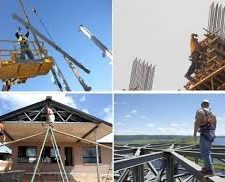
Working at height refers to any task or activity that involves working in an elevated position, generally above ground level. This could include working on scaffolding, ladders, or platforms, as well as working near an unprotected edge or opening. While working at height is a common occurrence in various industries such as construction, maintenance, and painting, it also poses significant risks and hazards that need to be carefully managed and mitigated.
According to the Health and Safety Executive (HSE), falls from height are one of the leading causes of serious injuries and fatalities in the workplace. In order to prevent accidents and ensure a safe working environment, employers have a legal duty to assess and control the risks associated with working at height. This involves identifying potential hazards, implementing appropriate safety measures, providing necessary training and equipment, and regularly inspecting and maintaining the working platforms or structures. By understanding the importance of working at height safety and taking proper precautions, companies can significantly reduce the likelihood of accidents and maintain the well-being of their employees.
Working at height can be dangerous if not done properly. It is important to follow certain rules and guidelines to ensure safety. One simple rule to follow is to always use the correct equipment for the task at hand. This includes wearing the appropriate personal protective equipment (PPE) such as helmets, harnesses, and safety shoes. By using the right equipment, you can minimize the risk of accidents and injuries. Another rule is to perform regular inspections of your equipment. This includes checking for any damage or defects that could compromise its effectiveness or safety. By conducting regular inspections, you can identify and address any potential issues before they become a problem. To learn more about the three simple rules to follow when working at height
In addition to using the correct equipment and performing regular inspections, it is also important to follow proper procedures when working at height. One rule to follow is to always secure your tools and equipment. This means using lanyards or tethering systems to prevent tools from falling and causing potential harm to yourself or others below. Another rule is to establish a clear communication system with your team. This can involve using hand signals, two-way radios, or other methods to ensure effective communication and coordination. By following these simple rules and procedures, you can significantly reduce the risk of accidents and injuries when working at height. To learn more about the three simple rules to follow when working at height, get the details.
In conclusion, working at height can be a perilous task, but by adhering to certain rules and guidelines, one can ensure safety and minimize the risk of accidents and injuries. It is crucial to use the correct equipment, including personal protective gear, and to conduct regular inspections to identify any potential issues. Moreover, securing tools and equipment and establishing a clear communication system with the team are essential steps to maintain a safe working environment. By following these simple rules and procedures, companies can prioritize the well-being of their employees and prevent falls from height, ultimately fostering a safer and healthier workplace.