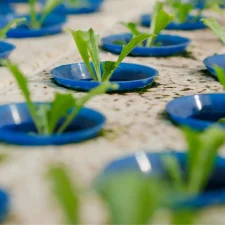
Hydroponic gardening is all about providing plants with precisely what they need to thrive, and that includes not just nutrients, but also oxygen. Hydroponic air pumps play a critical role in delivering oxygen to plant roots by bubbling air through the nutrient solution. In this 800-word blog post, we’ll delve into the world of hydroponic air pumps, exploring their significance, functions, types, and how they contribute to the overall health and productivity of soilless gardens. For more information regarding hydroponic plant one can visit our site https://hydroponicglobal.com.au/.
Understanding Hydroponic Air Pumps:
Hydroponic air pumps are electric devices designed to pump air into the nutrient solution in hydroponic systems. This serves a dual purpose: providing oxygen to plant roots and preventing stagnation and stratification of the nutrient solution. These pumps come in various sizes and capacities to suit different hydroponic setups and the oxygen needs of various plants.
Functions of Hydroponic Air Pumps:
1. Oxygenation: The primary function of hydroponic air pumps is to oxygenate the nutrient solution. In a hydroponic system, plant roots require oxygen to perform critical functions such as nutrient uptake and respiration. Oxygenated water is essential for healthy root development.
2. Preventing Stagnation: Hydroponic systems can sometimes suffer from stagnation or stratification of the nutrient solution, which can lead to nutrient imbalances and reduced plant health. Air pumps ensure that the solution remains in motion, preventing such issues.
3. Dissolving Gases: Air pumps also help dissolve gases like carbon dioxide (CO2) in the nutrient solution. This enhances plant growth by providing an additional source of CO2 for photosynthesis.
Types of Hydroponic Air Pumps:
There are two main types of hydroponic air pumps:
1. Diaphragm Air Pumps: These pumps use a diaphragm to push air through an outlet. They are known for their durability and are often used in larger hydroponic systems.
2. Linear Piston Air Pumps: Linear piston air pumps use a piston mechanism to push air. They are known for their quiet operation and are suitable for smaller hydroponic setups.
Choosing the Right Hydroponic Air Pump:
Selecting the appropriate air pump for your hydroponic system is crucial for ensuring optimal oxygenation. Consider the following factors:
1. System Size: The size of your hydroponic system and the volume of the nutrient solution will determine the pump’s capacity. Ensure the pump can provide sufficient oxygen for all plants in your setup.
2. Noise Level: Some air pumps can be noisy, which may be a concern in indoor or residential settings. Choose a pump with a noise level that suits your environment.
3. Durability: Look for air pumps from reputable manufacturers known for their durability and long lifespan. Frequent pump failure can disrupt plant growth.
4. Number of Outlets: Determine how many outlets or air stones you need in your system. Some air pumps come with multiple outlets, allowing you to oxygenate multiple containers or channels simultaneously.
Installing and Maintaining Hydroponic Air Pumps:
Proper installation and maintenance of hydroponic air pumps are essential for their effective operation:
1. Placement: Position the air pump above the nutrient solution level to prevent backflow of water into the pump. Ensure it is stable and secure.
2. Air Stones or Diffusers: Connect air stones or diffusers to the pump outlets and place them in the nutrient solution. These accessories help disperse the oxygen evenly.
3. Regular Cleaning: Clean air stones or diffusers regularly to prevent clogs and ensure efficient oxygenation.
4. Inspect and Replace Parts: Periodically inspect the pump for wear and tear, and replace any damaged components, such as diaphragms or piston seals.
5. Air Filter Maintenance: If your air pump has an air filter, clean or replace it as needed to maintain optimal air quality.
Benefits of Hydroponic Air Pumps:
Hydroponic air pumps offer several benefits for soilless gardening:
1. Healthy Root Development: Oxygen-rich nutrient solutions promote healthy root growth, leading to better nutrient absorption and overall plant health.
2. Preventing Stagnation: Air pumps prevent nutrient solution stagnation, which can lead to imbalances and negatively impact plant growth.
3. Enhanced CO2 Dissolution: Increased oxygenation can also enhance the dissolution of CO2 in the nutrient solution, boosting photosynthesis rates.
4. Versatility: Hydroponic air pumps are versatile and can be used in various hydroponic systems, including deep-water culture (DWC), nutrient film technique (NFT), and aeroponics.
In Conclusion:
Hydroponic air pumps are essential components of soilless gardening, ensuring that plant roots receive the oxygen they need for robust growth and nutrient uptake. Whether you’re a beginner in hydroponics or an experienced grower, understanding the importance of hydroponic air pumps and how to select, install, and maintain them is crucial for achieving thriving, high-yield crops in your hydroponic system.