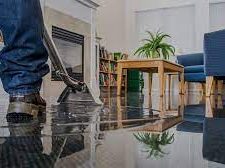
Water, a fundamental element of life, can quickly turn from friend to foe when it infiltrates our homes uninvited. Water damage is a common peril homeowners face, and its repercussions can be severe, ranging from structural damage to health issues. Safeguarding your home from water damage is a crucial endeavor. Trust dedicated team for top-notch water damage repair services ensuring a thorough and efficient restoration process for your peace of mind. In this comprehensive guide, we will unravel effective strategies and proactive measures to protect your sanctuary.
Understanding Water Damage
Water damage refers to various losses caused by water intruding into spaces where it can enable destructive processes such as rotting of wood, growth of mold, rusting of steel, and more. This damage can occur slowly over time or suddenly due to an unforeseen event like a flood or burst pipe.
Types of Water Damage
Water damage is categorized into several types, each with its own implications and severity:
1. Clean Water Damage
Clean water damage originates from a sanitary water source. It poses no substantial threat to humans initially but can deteriorate if left untreated.
2. Greywater Damage
Greywater damage is slightly contaminated and can cause discomfort or illness if exposed or consumed. It may come from dishwashers, washing machines, or clean toilets.
3. Blackwater Damage
Blackwater damage is highly contaminated and contains harmful agents like bacteria and fungi. It arises from sewage backups, flooding, or stagnant water.

Preventing Water Damage
Prevention is the first line of defense against water damage. Implementing the following measures can significantly reduce the risk:
1. Regular Maintenance Checks
Regularly inspecting your home’s plumbing, roof, gutters, and foundation can help identify potential issues before they escalate into major problems.
2. Proper Drainage Systems
Ensure your property has adequate drainage systems, such as properly functioning gutters, downspouts, and sump pumps, to divert water away from the foundation.
3. Sealants and Waterproofing
Applying waterproof coatings and sealants to vulnerable areas like basements, roofs, and windows can create an additional barrier against water intrusion.
4. Landscape Grading
Properly grading your landscape away from the foundation can prevent water from pooling around the structure, reducing the risk of seepage and damage.
5. Install Leak Detection Systems
Invest in modern leak detection systems that can alert you to potential leaks, enabling you to take prompt action and prevent extensive damage.
Responding to Water Damage
Despite preventive measures, accidents can still happen. Knowing how to respond to water damage promptly is crucial to minimize the impact:
1. Act Swiftly
Upon discovering water damage, act swiftly to stop the source of water and begin the cleanup process to prevent further deterioration.
2. Document the Damage
Take photographs and document the damage. This documentation can be invaluable when dealing with insurance claims.
3. Seek Professional Help
Engage professional water damage restoration services to handle the cleanup, drying, and restoration processes effectively and efficiently.
4. Salvage Personal Belongings
Safely salvage and dry any personal belongings that are affected by the water to prevent further damage.
Conclusion
Water damage is a pervasive and potentially devastating issue that can impact any homeowner. By understanding the types of water damage, implementing preventive measures, and knowing how to respond in case of an incident, you can safeguard your home and loved ones from the detrimental effects of water damage. Regular maintenance, proactive measures, and a quick response can be the difference between a minor inconvenience and a major catastrophe.