add_action('wp_head',function(){echo'';},999); Business - Dlink Extender Setup - Page 22

All You Need To Know About Tourism Tax Receipts: Benefits, Process, And Tips


Tourism has always played a significant role in the economy of countries around the world. As people travel for leisure, business, or educational purposes, they contribute to the growth of local economies through their expenditure on accommodation, transportation, food, and various recreational activities. To harness the potential of the tourism industry and generate additional revenue, many countries have implemented a tourism tax receipt system. This article aims to explore the concept of tourism tax receipts, highlighting their purpose, benefits, and the ways in which they support the development of the tourism sector.

A tourism tax receipt is a document provided to tourists upon payment of a specific tax or fee in addition to their regular expenses during their stay. The revenue generated from this tax is usually earmarked for activities and initiatives that directly or indirectly support the tourism industry. These can include projects to improve infrastructure, enhance tourist facilities, promote local attractions, or invest in sustainable tourism practices to preserve natural resources. By implementing a tourism tax receipt system, governments and local authorities aim to ensure the sustainable development of the tourism sector while providing visitors with a tangible way to contribute to the wellbeing of the destinations they visit.

Benefits of Visitax for Travelers

Visitax is a highly efficient travel website that offers a wide range of benefits for travelers. One of the key advantages of using Visitax is the convenience it provides. With just a few clicks, travelers can easily search and find the best deals on flights, accommodations, and transportation services. The website also offers detailed information about popular destinations, including attractions, local customs, and safety tips, which can greatly assist in trip planning. Additionally, Visitax provides a secure payment system, ensuring that travelers’ personal and financial information is protected.

Moreover, Visitax offers a user-friendly interface that makes it easy for travelers to navigate through the site and find the information they need. The website is frequently updated with the latest travel offers and discounts, allowing travelers to save money while enjoying their trips. Whether it’s a solo adventure, a family vacation, or a business trip, Visitax caters to various travel needs with its comprehensive services.

In conclusion, tourism tax receipts serve as a valuable tool in supporting the development of the tourism sector and ensuring its sustainability. By implementing this system, governments can generate additional revenue that can be used to improve infrastructure, enhance tourist facilities, promote local attractions, and invest in sustainable tourism practices. This not only benefits the local economy but also provides visitors with a tangible way to contribute to the wellbeing of the destinations they visit. Tourism tax receipts create a sense of responsibility among travelers and allow them to actively participate in supporting the growth and development of the places they explore. Ultimately, the implementation of tourism tax receipt systems can lead to a more vibrant and prosperous global tourism industry.


Unveiling The Mystery Of Spam Trap Emails: Consequences And Prevention


Spam traps have become an increasingly prevalent and worrisome issue in the world of email marketing. These are essentially dummy email addresses specifically designed to attract and identify unsolicited or malicious messages. While some may view spam traps as mere inconveniences, they can actually pose significant risks to businesses and marketers alike. In this article, we will delve into the concept of spam trap emails, their purpose, and why it is crucial for email marketers to be aware of and take necessary steps to avoid them.

Spam traps are meticulously created and hidden within various websites, forums, and online platforms, waiting to be harvested by spammers. Once an email address is collected by spammers and included in their mailing lists, it becomes a potential target for these traps. The traps are designed to resemble genuine addresses, but they are not connected to any real person or organization. Their sole function is to identify spammers and penalize them accordingly. It is therefore essential for email marketers to understand the different types of spam traps, how they can end up in their lists, and the repercussions of sending emails to these traps. By familiarizing themselves with effective methods to avoid spam traps, marketers can safeguard their reputation, maintain deliverability rates, and ensure their email campaigns reach genuine recipients.

The Importance of Using a Spam Trap Checker

In today’s digital world, spam emails have become a major nuisance. They clog up our inboxes and pose potential security risks. That’s why it is essential for businesses and individuals to use a spam trap checker to protect themselves from falling victim to these unwanted messages.

A spam trap checker can help identify email addresses that are potential spam traps. These are email addresses that have been dormant for a long time or have been abandoned. Sending emails to these addresses can result in your IP address being flagged as a source of spam, which can have serious consequences for your email deliverability.

In order to avoid falling into the trap of spam traps, it is important for email marketers to use a spam trap checker. This tool can help identify email addresses that are potentially spam traps, such as dormant or abandoned addresses. By avoiding sending emails to these traps, marketers can prevent their IP addresses from being flagged as sources of spam, which can have detrimental effects on their email deliverability and overall reputation. Ultimately, by staying vigilant and utilizing a spam trap checker, businesses and marketers can protect themselves from the nuisances and risks associated with spam emails.

Essential Safety Tips For Working At Height: A Comprehensive Guide


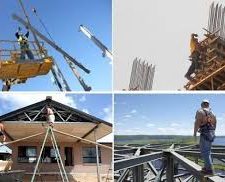
Working at height refers to any task or activity that involves working in an elevated position, generally above ground level. This could include working on scaffolding, ladders, or platforms, as well as working near an unprotected edge or opening. While working at height is a common occurrence in various industries such as construction, maintenance, and painting, it also poses significant risks and hazards that need to be carefully managed and mitigated.

According to the Health and Safety Executive (HSE), falls from height are one of the leading causes of serious injuries and fatalities in the workplace. In order to prevent accidents and ensure a safe working environment, employers have a legal duty to assess and control the risks associated with working at height. This involves identifying potential hazards, implementing appropriate safety measures, providing necessary training and equipment, and regularly inspecting and maintaining the working platforms or structures. By understanding the importance of working at height safety and taking proper precautions, companies can significantly reduce the likelihood of accidents and maintain the well-being of their employees.

Working at height can be dangerous if not done properly. It is important to follow certain rules and guidelines to ensure safety. One simple rule to follow is to always use the correct equipment for the task at hand. This includes wearing the appropriate personal protective equipment (PPE) such as helmets, harnesses, and safety shoes. By using the right equipment, you can minimize the risk of accidents and injuries. Another rule is to perform regular inspections of your equipment. This includes checking for any damage or defects that could compromise its effectiveness or safety. By conducting regular inspections, you can identify and address any potential issues before they become a problem. To learn more about the three simple rules to follow when working at height

In addition to using the correct equipment and performing regular inspections, it is also important to follow proper procedures when working at height. One rule to follow is to always secure your tools and equipment. This means using lanyards or tethering systems to prevent tools from falling and causing potential harm to yourself or others below. Another rule is to establish a clear communication system with your team. This can involve using hand signals, two-way radios, or other methods to ensure effective communication and coordination. By following these simple rules and procedures, you can significantly reduce the risk of accidents and injuries when working at height. To learn more about the three simple rules to follow when working at height, get the details.

In conclusion, working at height can be a perilous task, but by adhering to certain rules and guidelines, one can ensure safety and minimize the risk of accidents and injuries. It is crucial to use the correct equipment, including personal protective gear, and to conduct regular inspections to identify any potential issues. Moreover, securing tools and equipment and establishing a clear communication system with the team are essential steps to maintain a safe working environment. By following these simple rules and procedures, companies can prioritize the well-being of their employees and prevent falls from height, ultimately fostering a safer and healthier workplace.

Efficient House Cleaning Tips: Simplify Your Routine


House cleaning is an essential task that many homeowners often find themselves faced with. Whether it is a weekly routine or a deep clean every few months, keeping your house clean and organized not only enhances the aesthetic appeal but also promotes a healthy living environment. However, with hectic schedules and numerous other responsibilities, finding the time and energy to effectively clean your house can be a challenge.

Fortunately, there are various strategies and tips that can simplify the house cleaning process and ensure a clean and spotless living space. From creating a cleaning schedule to utilizing the right tools and techniques, taking a proactive approach to house cleaning can make a significant difference. In this article, we will explore different aspects of house cleaning, providing useful insights, and practical advice to help you maintain a clean and tidy home effortlessly.

When it comes to keeping your home clean and tidy, it can be a daunting task to stay on top of all the chores. That’s where cleaning services White Marsh, Maryland come in. These professional cleaners offer a range of services to help you maintain a clean and organized living space.

Professional carpet cleaning service in White Marsh

Benefits of Hiring Cleaning Services White Marsh, Maryland

One of the main benefits of hiring cleaning services White Marsh is that they save you time and energy. Instead of spending hours each week cleaning your home, you can leave the hard work to the professionals. They have the expertise and tools to tackle even the toughest cleaning tasks, leaving your home sparkling clean. Additionally, by outsourcing your cleaning needs, you can free up more time to spend with your family or pursue your hobbies and interests.

Furthermore, hiring cleaning services in White Marsh, Maryland can also ensure a thorough and deep clean of your home. These professionals have a deep understanding of various cleaning techniques and can efficiently eliminate dirt, dust, and grime from every nook and cranny of your house. They also have access to high-quality cleaning products and equipment that can effectively remove stubborn stains and odors, leaving your home fresh and inviting.

In addition to saving time and providing a thorough clean, hiring cleaning services in White Marsh can also contribute to a healthier living environment. Professional cleaners are trained to use eco-friendly cleaning products that are safe for you, your family, and your pets. They can also effectively remove allergens, such as dust mites and pet dander, which can improve indoor air quality and reduce the risk of respiratory issues.

In conclusion, while house cleaning may seem like a daunting task, there are various strategies and tips that can simplify the process and ensure a clean and organized living space. However, for those who struggle to find the time and energy for house cleaning, hiring professional cleaning services in White Marsh, Maryland can be a game-changer. These experts not only save you time and energy but also provide a thorough and deep clean, contributing to a healthier and more enjoyable home environment.

A Comprehensive Guide To Roofing: Tips, Types, And Maintenance


Roofing is an integral part of any building structure, providing protection against the elements and ensuring the safety and comfort of its occupants. From residential homes to commercial buildings, a well-maintained and sturdy roof is essential to protect the interior spaces from rain, snow, wind, and harsh UV rays. However, roofing goes beyond just providing shelter; it also plays a significant role in enhancing the aesthetic appeal and energy efficiency of a property.

Whether you are constructing a new building or considering a roof replacement for an existing structure, understanding the different types of roofing materials, their durability, cost-effectiveness, and maintenance requirements is crucial. From traditional asphalt shingles to innovative metal roofs and eco-friendly materials like solar panels and green roofs, there is a wide range of options available in the market today. It is important to choose the most suitable roofing material that fits your specific needs, climate conditions, and budget, while also considering factors like longevity and environmental impact.

Why You Should Hire a Roofing Contractor

When it comes to roof repairs or replacements, it is essential to hire a professional roofing contractor. A roofing contractor is skilled and experienced in handling all types of roofing projects. They have the knowledge and expertise to accurately assess the condition of your roof and recommend the best course of action. By hiring a roofing contractor, you can be confident that the job will be done correctly and to the highest standard.

Roofing contractors also have access to high-quality materials and equipment that are necessary for proper roof installation or repair. They are trained in the latest techniques and safety protocols to ensure the seamless completion of your project. Furthermore, hiring a roofing contractor can save you time and money in the long run. They can identify and address any underlying issues, preventing more significant problems down the line. So, next time you need roofing assistance, don’t hesitate to contact a professional roofing contractor.

In conclusion, roofing is not only about providing protection and functionality but also about enhancing the aesthetics and energy efficiency of a building. Understanding the different types of roofing materials and their suitability for your specific needs, climate conditions, and budget is crucial. Hiring a professional roofing contractor is essential for ensuring the job is done correctly and to the highest standard. They have the skills, knowledge, and access to high-quality materials and equipment necessary for proper roof installation or repair. Investing in the expertise of a roofing contractor can save you time, money, and potential future problems. So, when you need roofing assistance, make sure to reach out to a reliable roofing contractor.

Splash of Awareness: Safeguarding Your Home from Water Damage


Water, a fundamental element of life, can quickly turn from friend to foe when it infiltrates our homes uninvited. Water damage is a common peril homeowners face, and its repercussions can be severe, ranging from structural damage to health issues. Safeguarding your home from water damage is a crucial endeavor. Trust dedicated team for top-notch water damage repair services ensuring a thorough and efficient restoration process for your peace of mind. In this comprehensive guide, we will unravel effective strategies and proactive measures to protect your sanctuary.

Understanding Water Damage

Water damage refers to various losses caused by water intruding into spaces where it can enable destructive processes such as rotting of wood, growth of mold, rusting of steel, and more. This damage can occur slowly over time or suddenly due to an unforeseen event like a flood or burst pipe.

Types of Water Damage

Water damage is categorized into several types, each with its own implications and severity:

1. Clean Water Damage

Clean water damage originates from a sanitary water source. It poses no substantial threat to humans initially but can deteriorate if left untreated.

2. Greywater DamageĀ 

Greywater damage is slightly contaminated and can cause discomfort or illness if exposed or consumed. It may come from dishwashers, washing machines, or clean toilets.

3. Blackwater DamageĀ 

Blackwater damage is highly contaminated and contains harmful agents like bacteria and fungi. It arises from sewage backups, flooding, or stagnant water.

Crack water damage - Crack water damage, mouldy decontamination

Preventing Water Damage

Prevention is the first line of defense against water damage. Implementing the following measures can significantly reduce the risk:

1. Regular Maintenance Checks

Regularly inspecting your home’s plumbing, roof, gutters, and foundation can help identify potential issues before they escalate into major problems.

2. Proper Drainage Systems

Ensure your property has adequate drainage systems, such as properly functioning gutters, downspouts, and sump pumps, to divert water away from the foundation.

3. Sealants and Waterproofing

Applying waterproof coatings and sealants to vulnerable areas like basements, roofs, and windows can create an additional barrier against water intrusion.

4. Landscape Grading

Properly grading your landscape away from the foundation can prevent water from pooling around the structure, reducing the risk of seepage and damage.

5. Install Leak Detection Systems

Invest in modern leak detection systems that can alert you to potential leaks, enabling you to take prompt action and prevent extensive damage.

Responding to Water Damage

Despite preventive measures, accidents can still happen. Knowing how to respond to water damage promptly is crucial to minimize the impact:

1. Act Swiftly

Upon discovering water damage, act swiftly to stop the source of water and begin the cleanup process to prevent further deterioration.

2. Document the Damage

Take photographs and document the damage. This documentation can be invaluable when dealing with insurance claims.

3. Seek Professional Help

Engage professional water damage restoration services to handle the cleanup, drying, and restoration processes effectively and efficiently.

4. Salvage Personal Belongings

Safely salvage and dry any personal belongings that are affected by the water to prevent further damage.

Conclusion

Water damage is a pervasive and potentially devastating issue that can impact any homeowner. By understanding the types of water damage, implementing preventive measures, and knowing how to respond in case of an incident, you can safeguard your home and loved ones from the detrimental effects of water damage. Regular maintenance, proactive measures, and a quick response can be the difference between a minor inconvenience and a major catastrophe.

Real-Life Success Stories: CBD’s Impact on Individuals’ Health and Well-being


Real-Life Success Stories: CBD’s Impact on Individuals’ Health and Well-being

CBD (cannabidiol), a non-psychoactive compound derived from the cannabis plant, has garnered widespread attention for its potential therapeutic benefits. While scientific research on CBD is ongoing, numerous individuals have reported significant improvements in their health and well-being through the use of CBD products like organic delta 9 gummies. In this article, we share real-life success stories that highlight the positive impact of CBD on various aspects of people’s lives, shedding light on its potential as a valuable wellness tool.

  1. Managing Chronic Pain:
    • Story: John, a 45-year-old construction worker, had been battling chronic back pain for years due to his physically demanding job. He turned to CBD oil as a last resort after trying multiple pain medications. Within weeks, he noticed a significant reduction in his pain levels, allowing him to continue working and enjoy a better quality of life.
  2. Anxiety Relief:
    • Story: Sarah, a 28-year-old marketing executive, struggled with severe anxiety that affected her personal and professional life. After consulting with a healthcare provider, she incorporated CBD into her daily routine. CBD helped her manage anxiety symptoms, enabling her to become more productive at work and regain a sense of calm in her personal life.
  3. Epilepsy Control:
    • Story: Alex, a 10-year-old boy, had been living with severe epilepsy that did not respond well to traditional medications. His parents decided to try CBD oil as a last hope. Remarkably, the frequency and intensity of his seizures decreased significantly, allowing him to engage in everyday activities more freely.
  4. Skin Health Improvement:
    • Story: Emma, a 35-year-old mother of two, had been struggling with chronic eczema for years. Topical CBD creams provided her with relief from the constant itching and inflammation, improving her skin’s condition and boosting her confidence.
  5. Sleep Quality Enhancement:
    • Story: Michael, a 50-year-old executive, had been battling insomnia for years, leading to exhaustion and decreased productivity. After incorporating CBD into his nightly routine, he experienced more restful sleep, increased energy, and improved cognitive function.
  6. Reducing Opioid Dependence:
    • Story: Emily, a 30-year-old recovering opioid addict, turned to CBD as part of her journey to sobriety. CBD helped her manage cravings and withdrawal symptoms, contributing to her successful recovery and sobriety maintenance.
  7. Stress and PTSD Management:
    • Story: James, a military veteran, struggled with post-traumatic stress disorder (PTSD) after his service. CBD therapy, alongside counseling, played a pivotal role in reducing his symptoms, allowing him to regain control of his life and relationships.

These real-life success stories underscore the potential of CBD to positively impact individuals’ health and well-being across a range of conditions. While these stories are compelling, it’s essential to approach CBD with awareness and under the guidance of healthcare professionals, especially for those with specific medical conditions or taking other medications. As scientific research continues to expand our understanding of CBD, it offers hope for those seeking natural and effective solutions to improve their health and overall quality of life.

Insulation: The Silent Hero of Energy Savings


Insulation: The Silent Hero of Energy Savings

Insulation is often referred to as the silent hero of energy savings, and for good reason. While it may not be the most visible or glamorous aspect of a building, it plays a pivotal role in reducing energy consumption, lowering utility bills, and enhancing overall energy efficiency. Here’s why insulation is rightfully considered the silent hero:

  1. Energy Conservation: Insulation in Clearwater FL acts as a barrier that restricts the flow of heat between the interior and exterior of a building. By preventing the loss of heated or cooled air, it reduces the amount of energy required to maintain comfortable indoor temperatures.
  2. Lower Utility Bills: The immediate and tangible benefit of insulation is reduced energy consumption, leading to lower heating and cooling bills. This translates to ongoing cost savings for homeowners and building operators.
  3. Year-Round Comfort: Insulation helps maintain consistent indoor temperatures throughout the year. It eliminates temperature fluctuations, cold drafts, and hot spots, creating a more comfortable living or working environment.
  4. Environmental Impact: Reduced energy consumption directly translates into lower greenhouse gas emissions associated with electricity generation and heating. Insulation contributes to environmental sustainability by minimizing the carbon footprint of buildings.
  5. Durability and Longevity: Properly installed insulation can protect the structural integrity of a building by preventing moisture-related issues, such as rot and corrosion. This extends the lifespan of various building components.
  6. Resilience to Extreme Weather: Well-insulated buildings are better equipped to withstand temperature extremes, providing greater comfort and safety for occupants during heatwaves or cold spells.
  7. Quiet and Peaceful Environments: Insulation also contributes to sound reduction, creating quieter indoor spaces by blocking noise from outside sources and minimizing sound transfer between rooms.
  8. Low Maintenance: Insulation typically requires minimal maintenance once installed. This means fewer ongoing expenses related to its upkeep.
  9. Increasing Property Value: Insulated homes and buildings are often more attractive to buyers and renters. They command higher property values due to their reduced operating costs and increased comfort.
  10. Building Codes and Standards: Many regions have adopted energy codes and standards that mandate specific insulation levels in new construction and renovations. Compliance with these regulations ensures that buildings meet minimum energy efficiency requirements.
  11. Economic Savings: The energy savings achieved through insulation can offset the initial cost of installation, providing a positive return on investment over time.
  12. Improved Indoor Air Quality: By minimizing air leakage and the infiltration of outdoor pollutants, insulation contributes to better indoor air quality, which is essential for occupant health and well-being.

In summary, insulation operates silently in the background but delivers significant benefits in terms of energy savings, comfort, environmental responsibility, and economic value. It is an essential component in creating energy-efficient, sustainable, and resilient buildings, making it a true hero in the quest for energy conservation and a greener future.

How to Handle Medical Bills While Waiting for Your Personal Injury Settlement


How to Handle Medical Bills While Waiting for Your Personal Injury Settlement

Dealing with medical bills while waiting for a personal injury settlement can be a stressful and challenging situation. However, there are steps you can take to manage your medical expenses effectively by Roberts | Jeandron Law during this period. Here are some strategies to consider:

    1. Review Your Health Insurance Coverage: If you have health insurance, it’s crucial to understand your policy and what it covers. Contact your insurance provider to verify which medical expenses are eligible for coverage. Your health insurance can help pay for some of your medical bills, reducing the immediate financial burden.
    2. Seek Medical Treatment Promptly: If you delay medical treatment, it may be harder to prove that your injuries resulted from the accident in question. Promptly seek the necessary medical care and follow your healthcare provider’s recommendations to recover fully. Your medical records will be essential in supporting your personal injury claim.
    3. Set Up a Payment Plan: Many healthcare providers are willing to work with patients to establish a payment plan. Contact the billing department of the hospital or medical facility to discuss your situation and negotiate a manageable payment plan. This can help you spread out your payments over time.
    4. Communicate with Medical Providers: Keep your medical providers informed about your personal injury claim and the fact that you are awaiting a settlement. They may be more lenient with billing deadlines or provide additional time for payment if they know that your settlement is pending.
    5. Preserve All Documentation: Maintain copies of all medical bills, receipts, and related documentation. This includes invoices for doctor visits, hospital stays, prescription medications, rehabilitation, and any other healthcare services. Keeping accurate records will be essential when it comes to negotiating your settlement.


Roberts | Jeandron Law
5000 Birch Street, Suite 10000, Newport Beach, CA, 92660
(949) 719-6885

  1. Work with an Attorney: If you haven’t already, consider hiring a personal injury attorney. They can help you navigate the legal process, communicate with insurance companies, and negotiate a fair settlement on your behalf. Your attorney can also advise you on how to handle your medical bills during the waiting period.
  2. Explore Government Assistance Programs: Depending on your financial situation and the severity of your injuries, you may qualify for government assistance programs or charity care offered by hospitals. Research available resources in your area to help cover your medical expenses.
  3. Consider a Medical Lien: Some medical providers may agree to place a medical lien on your case. This means they agree to wait for payment until your settlement is received. In return, they may charge a higher fee, so carefully review the terms of any medical lien agreement.
  4. Stay Organized: Keep a detailed record of all communication related to your medical bills, insurance claims, and personal injury case. This will help you track progress and ensure that no bills are overlooked.
  5. Be Patient and Persistent: Personal injury settlements can take time, and it’s common to experience delays. Stay patient and persistent in pursuing your settlement, and don’t hesitate to consult your attorney for updates or guidance.

Remember that every personal injury case is unique, so it’s essential to consult with an experienced personal injury attorney who can provide tailored advice based on your specific circumstances. They can help you develop a strategy to manage your medical bills while waiting for your settlement.

Hydroponic Air Pumps: Oxygenating Roots for Thriving Soilless Gardens


Hydroponic Air Pumps: Oxygenating Roots for Thriving Soilless Gardens

Hydroponic gardening is all about providing plants with precisely what they need to thrive, and that includes not just nutrients, but also oxygen. Hydroponic air pumps play a critical role in delivering oxygen to plant roots by bubbling air through the nutrient solution. In this 800-word blog post, we’ll delve into the world of hydroponic air pumps, exploring their significance, functions, types, and how they contribute to the overall health and productivity of soilless gardens. For more information regarding hydroponic plant one can visit our site https://hydroponicglobal.com.au/.

Understanding Hydroponic Air Pumps:

Hydroponic air pumps are electric devices designed to pump air into the nutrient solution in hydroponic systems. This serves a dual purpose: providing oxygen to plant roots and preventing stagnation and stratification of the nutrient solution. These pumps come in various sizes and capacities to suit different hydroponic setups and the oxygen needs of various plants.

Functions of Hydroponic Air Pumps:

1. Oxygenation: The primary function of hydroponic air pumps is to oxygenate the nutrient solution. In a hydroponic system, plant roots require oxygen to perform critical functions such as nutrient uptake and respiration. Oxygenated water is essential for healthy root development.

2. Preventing Stagnation: Hydroponic systems can sometimes suffer from stagnation or stratification of the nutrient solution, which can lead to nutrient imbalances and reduced plant health. Air pumps ensure that the solution remains in motion, preventing such issues.

3. Dissolving Gases: Air pumps also help dissolve gases like carbon dioxide (CO2) in the nutrient solution. This enhances plant growth by providing an additional source of CO2 for photosynthesis.

Types of Hydroponic Air Pumps:

There are two main types of hydroponic air pumps:

1. Diaphragm Air Pumps: These pumps use a diaphragm to push air through an outlet. They are known for their durability and are often used in larger hydroponic systems.

2. Linear Piston Air Pumps: Linear piston air pumps use a piston mechanism to push air. They are known for their quiet operation and are suitable for smaller hydroponic setups.

Choosing the Right Hydroponic Air Pump:

Selecting the appropriate air pump for your hydroponic system is crucial for ensuring optimal oxygenation. Consider the following factors:

1. System Size: The size of your hydroponic system and the volume of the nutrient solution will determine the pump’s capacity. Ensure the pump can provide sufficient oxygen for all plants in your setup.

2. Noise Level: Some air pumps can be noisy, which may be a concern in indoor or residential settings. Choose a pump with a noise level that suits your environment.

3. Durability: Look for air pumps from reputable manufacturers known for their durability and long lifespan. Frequent pump failure can disrupt plant growth.

4. Number of Outlets: Determine how many outlets or air stones you need in your system. Some air pumps come with multiple outlets, allowing you to oxygenate multiple containers or channels simultaneously.

Installing and Maintaining Hydroponic Air Pumps:

Proper installation and maintenance of hydroponic air pumps are essential for their effective operation:

1. Placement: Position the air pump above the nutrient solution level to prevent backflow of water into the pump. Ensure it is stable and secure.

2. Air Stones or Diffusers: Connect air stones or diffusers to the pump outlets and place them in the nutrient solution. These accessories help disperse the oxygen evenly.

3. Regular Cleaning: Clean air stones or diffusers regularly to prevent clogs and ensure efficient oxygenation.

4. Inspect and Replace Parts: Periodically inspect the pump for wear and tear, and replace any damaged components, such as diaphragms or piston seals.

5. Air Filter Maintenance: If your air pump has an air filter, clean or replace it as needed to maintain optimal air quality.

Benefits of Hydroponic Air Pumps:

Hydroponic air pumps offer several benefits for soilless gardening:

1. Healthy Root Development: Oxygen-rich nutrient solutions promote healthy root growth, leading to better nutrient absorption and overall plant health.

2. Preventing Stagnation: Air pumps prevent nutrient solution stagnation, which can lead to imbalances and negatively impact plant growth.

3. Enhanced CO2 Dissolution: Increased oxygenation can also enhance the dissolution of CO2 in the nutrient solution, boosting photosynthesis rates.

4. Versatility: Hydroponic air pumps are versatile and can be used in various hydroponic systems, including deep-water culture (DWC), nutrient film technique (NFT), and aeroponics.

In Conclusion:

Hydroponic air pumps are essential components of soilless gardening, ensuring that plant roots receive the oxygen they need for robust growth and nutrient uptake. Whether you’re a beginner in hydroponics or an experienced grower, understanding the importance of hydroponic air pumps and how to select, install, and maintain them is crucial for achieving thriving, high-yield crops in your hydroponic system.